Read our latest political insights, news, and analyses. We invite you to join our voter research conversation on social media with #chismstrat.
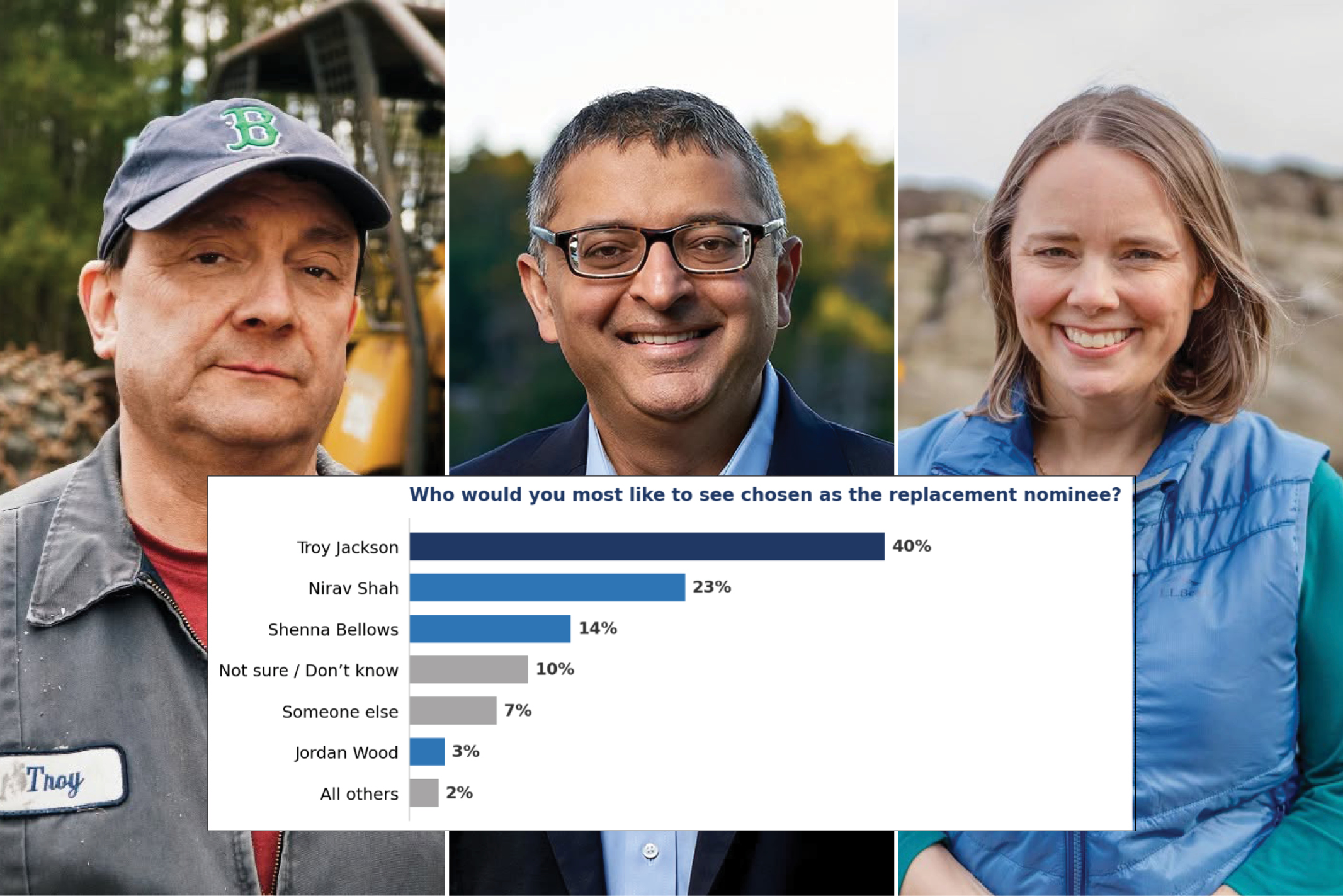
In the wake of Graham Platner announcing he's leaving the race for Senate, the Maine Democratic Party has decided to select its nominee in a convention later this month, with delegates selected by the state and county party committees. We found that though voters are still fairly divided on which candidate they want to replace Graham Platner, there is a clear frontrunner in Troy Jackson.
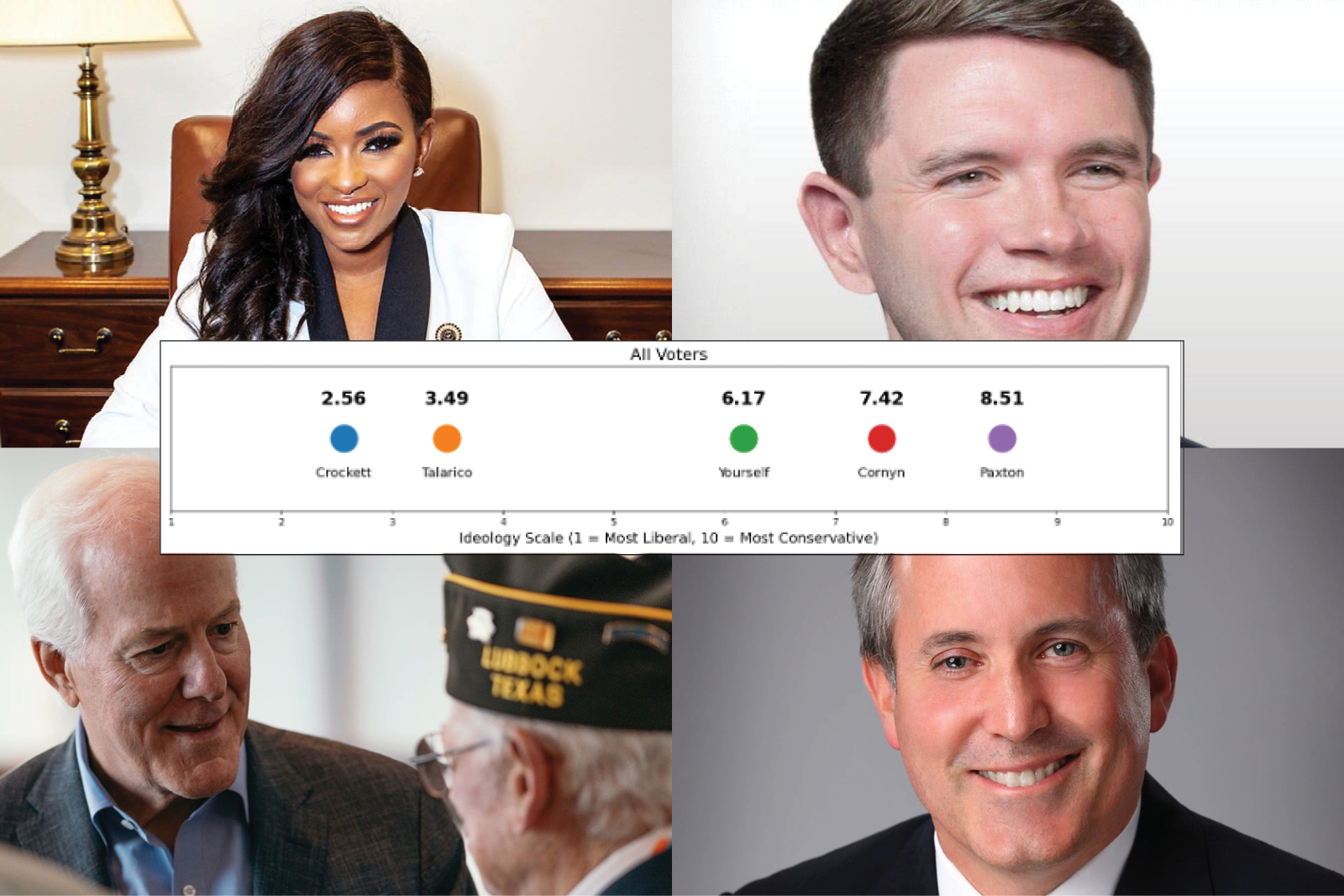
Texas may be the most interesting of this year’s Senate contests, with competitive primaries on both sides and potential for an upset in November. We thought it would therefore be interesting to do a deeper dive on the primary electorate and see how voters in Texas view their options.
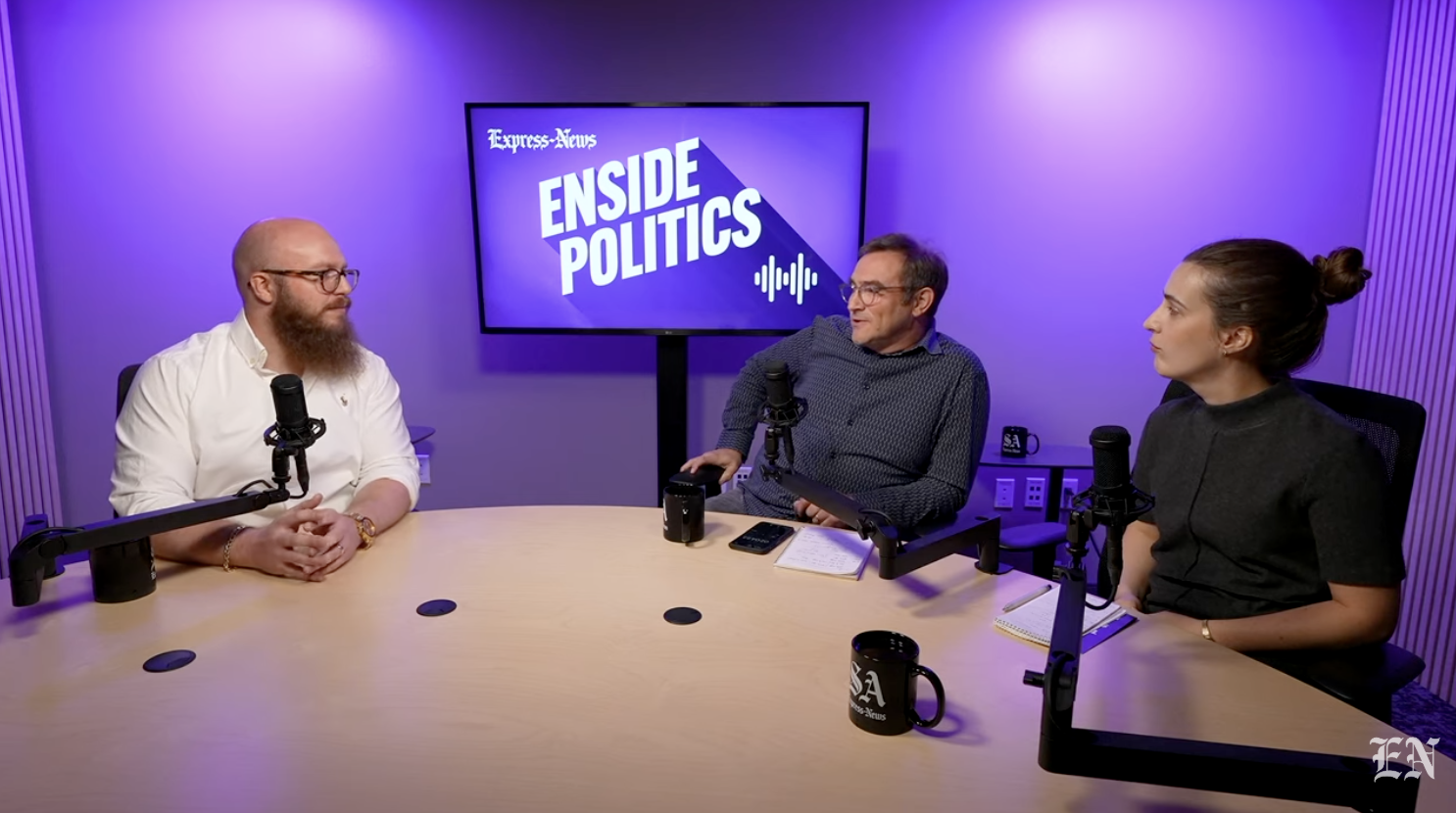
Pollster Brannon Miller, City Hall reporter Molly Smith and host Greg Jefferson discuss the campaign for tax dollars for a Spurs arena, why Gov. Greg Abbott has spooked big-name Democratic challengers and Mayor Gina Ortiz Jones' first 100 days.
Our survey shows Gina Ortiz Jones leading Rolando Pablos in the race for mayor 50%-41%. However, there are clear signs in the data that Ortiz Jones’ position could be weaker than that.
Polling for Saturday’s mayoral race in San Antonio shows a competitive field dominated by Gina Ortiz Jones, who emerges as the leading candidate both in initial preferences and projected runoff scenarios. Ortiz Jones leads the field with 23% of the vote, followed by Rolando Pablos at 15%, and Beto Altamirano at 12%. However, the race remains highly fragmented, and 11% of voters remain undecided.
Our latest survey highlights American attitudes toward foreign policy, revealing strong but divided opinions on NATO, perceptions of global threats, the U.S. role in international affairs, and policies on Ukraine and foreign aid. Partisan and generational splits are evident throughout, shaping how voters engage with these issues. Here are our key takeaways:
Headed into the last week of the campaign, we conducted surveys in Virginia, Minnesota, and Maryland. Each of these states is outside the seven key swing states, and each has a Senate race, with varying degrees of competitiveness among the three. We also felt that each had been under-surveyed by other pollsters in the runup to November 5th.
As you gear up for GOTV efforts this fall, we want to remind you about the best practices (backed by social science research) when it comes to messaging voters.
On Monday, the New York Times and Siena College released their latest presidential battleground poll, covering six key swing states (AZ, GA, MI, NV, PA, and WI). The headline: among likely voters in these states, Donald Trump led Joe Biden 42%-36%, leading the President in five of six states (Biden led by one in MI), even as Democratic candidates for Senate led or tied in the states they tested.
For the past few weeks, the internet has been awash in conspiracy theories surrounding Taylor Swift and Travis Kelce, with some on the far-right claiming the NFL is collaborating with the Biden campaign to set up a Swift-Kelce endorsement of the President at this year’s Super Bowl.
A recent Pew Research Study (April 2023) of more than 5000 adults in the USA confirmed that Democrats and Republicans are a lot more alike than different when it comes to time priorities.
As the media frenzy grows over the Debt Ceiling negotiations, it’s helpful to briefly revisit similar events over the past forty years. The chart below reminds us that government shutdowns have become more protracted in our polarized era, and they seldom come without political consequences for the political party portrayed as the most responsible for the impasse—and in recent times, that has been the Republican Party.
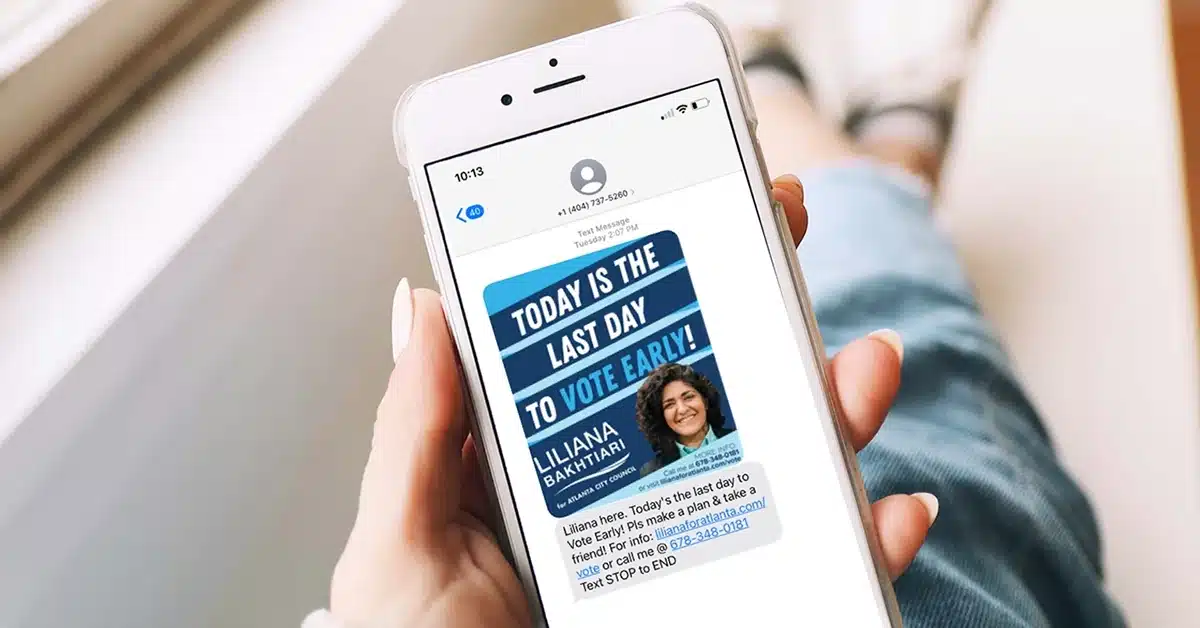
In recent years, texting has become a crucial tool for political campaigns. With nearly everyone carrying a mobile phone, texting allows campaigns to reach voters directly and personally. From fundraising to voter mobilization, texting has proven to be an effective method to engage with supporters and win elections.
Since moving to Texas in 2021, I’ve discovered here a strange—and strangely bipartisan—hatred of Californians.
Politicians often use robocalls to reach many voters quickly and efficiently. Robocalls can be automated, allowing politicians to deliver a pre-recorded message to thousands of people in a short amount of time. This is particularly useful during campaigns when candidates are trying to reach as many voters as possible before election day. But some candidates may wonder if and when they can use this tool to speak to their voters.
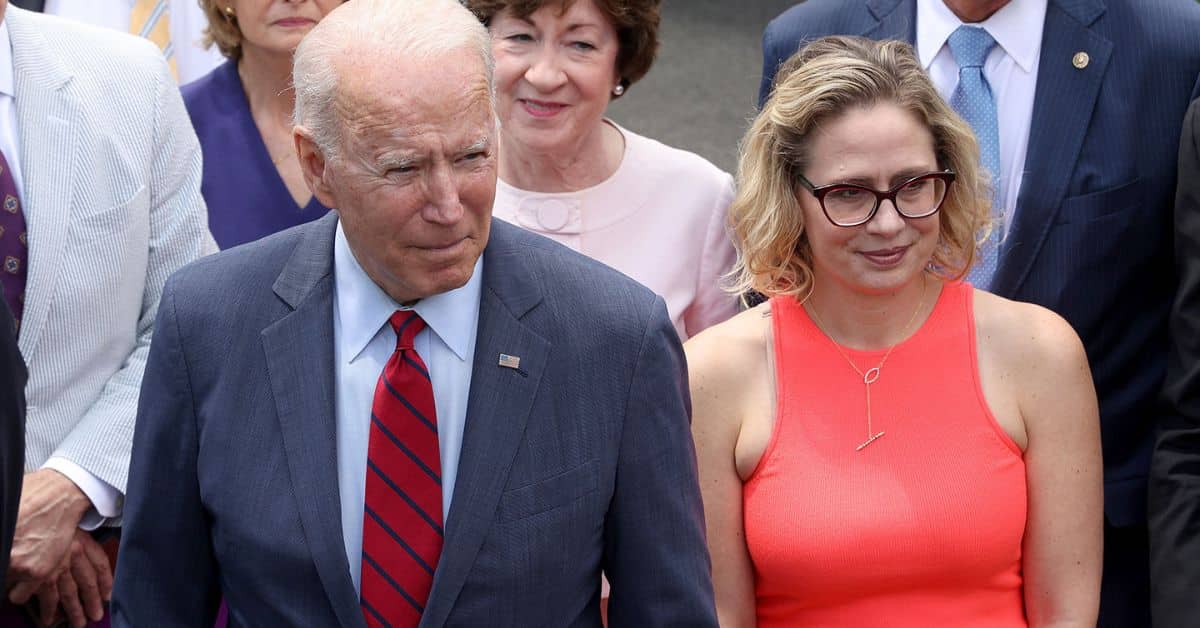
An early 2023 survey of likely general election voters illustrates that Senator Kyrsten Sinema’s path to reelection is both complicated and unprecedented. Sinema runs a distant third in a hypothetical three-way race in the general that also includes 2022 GOP gubernatorial candidate Kari Lake and Democratic Congressman Ruben Gallego.
If your campaign offers are low and you are looking for creative, cost-effective ways to convert likely supporters to hard votes, here are some texting tactics that we have in the field this year for clients from Maine to California.
We can reach more voters in an hour of calling than an entire day of door knocking—without the double-digit price hikes.
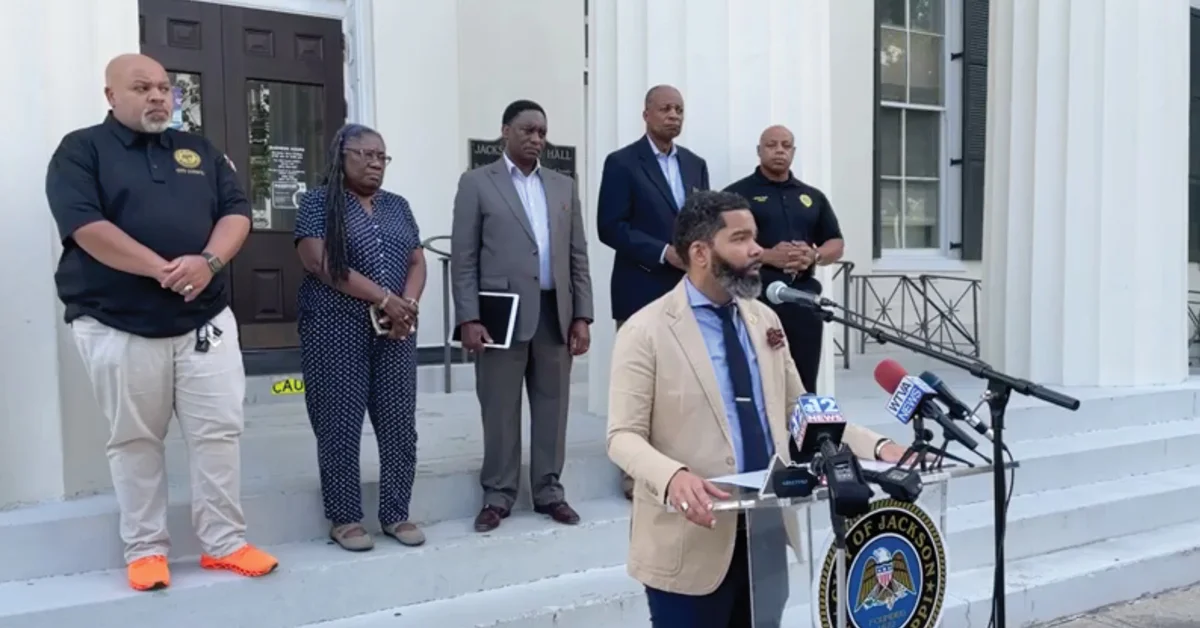
Residents in the City of Jackson rate Mayor Chokwe Antar Lumumba’s overall job performance as a net -8% negative but give him significantly lower marks (-14%) when it comes to his handling of the city’s current water crisis. Governor Tate Reeves – who declared a state of emergency on Monday – receives lower marks for his performance in handling of the city’s water crisis: a net -34% among Jackson voters.
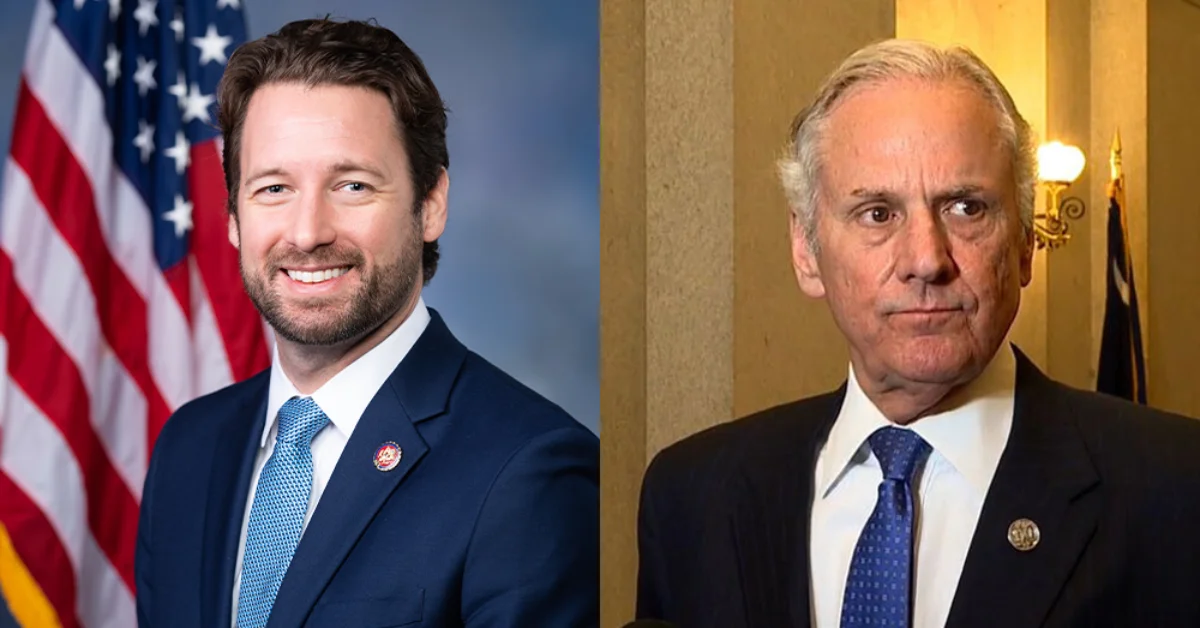
South Carolina Governor Henry McMaster is at 50% and leads his Democratic opponent Joe Cunningham by 11 points in his race for re-election. McMaster got 54% in the 2018 contest.
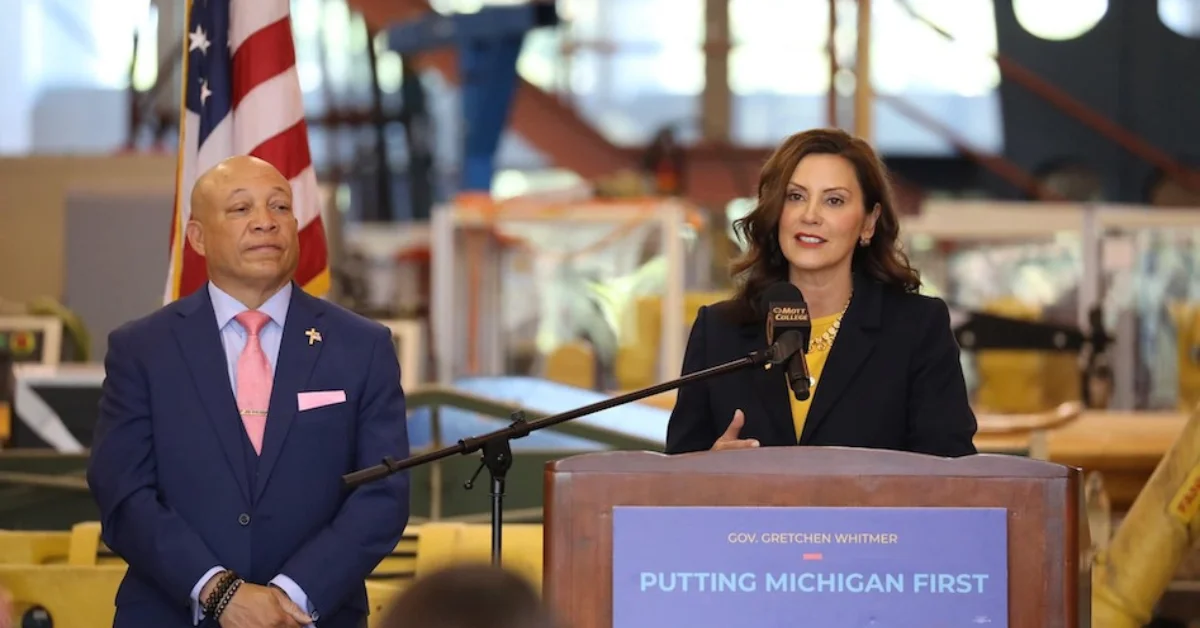
Democrat Gov. Gretchen Whitmer leads Republican challenger Tudor Dixon 51% to 39% in her race to be re-elected Governor of Michigan.
Democrat Cheri Beasley leads Republican Ted Budd 46% to 42% with 12% undecided in the open US Senate seat in NC. This survey comes six weeks after the Dobbs decision that struck down abortion rights secured under Roe v. Wade.
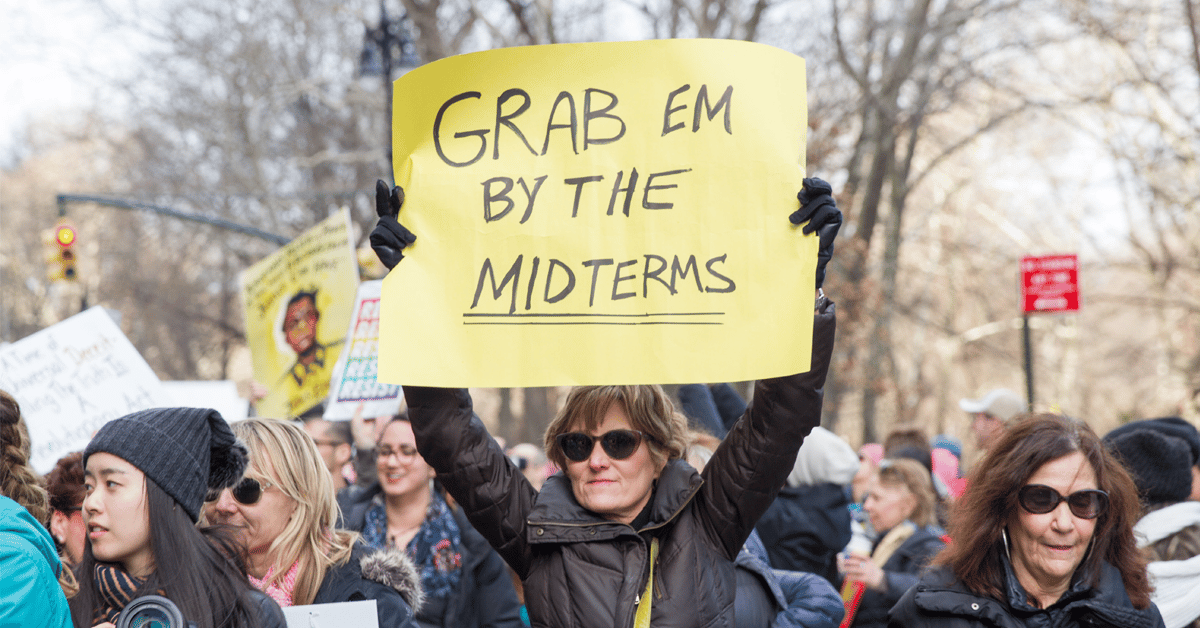
Earlier in the year, we wrote about reasons for optimism in the midterms, citing several experts who opined about trends in redistricting and the problems with many candidates in GOP primaries. More than one reader suggested we were “whistling past the graveyard”.
All eyes will be on Pennsylvania this November, where Democrats have the rarest of chances for a pickup in the US Senate and the governor’s race features a “Big Lie” Republican who was subpoenaed by the January 6th Committee. All this in a state that President Biden barely won by 1.3%.
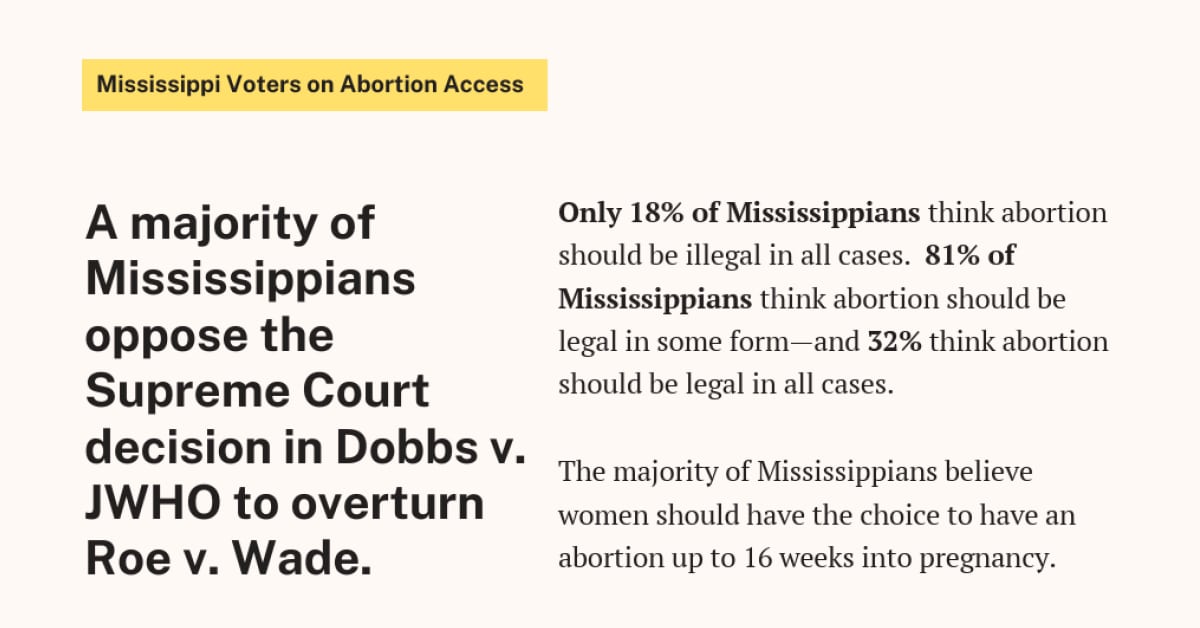
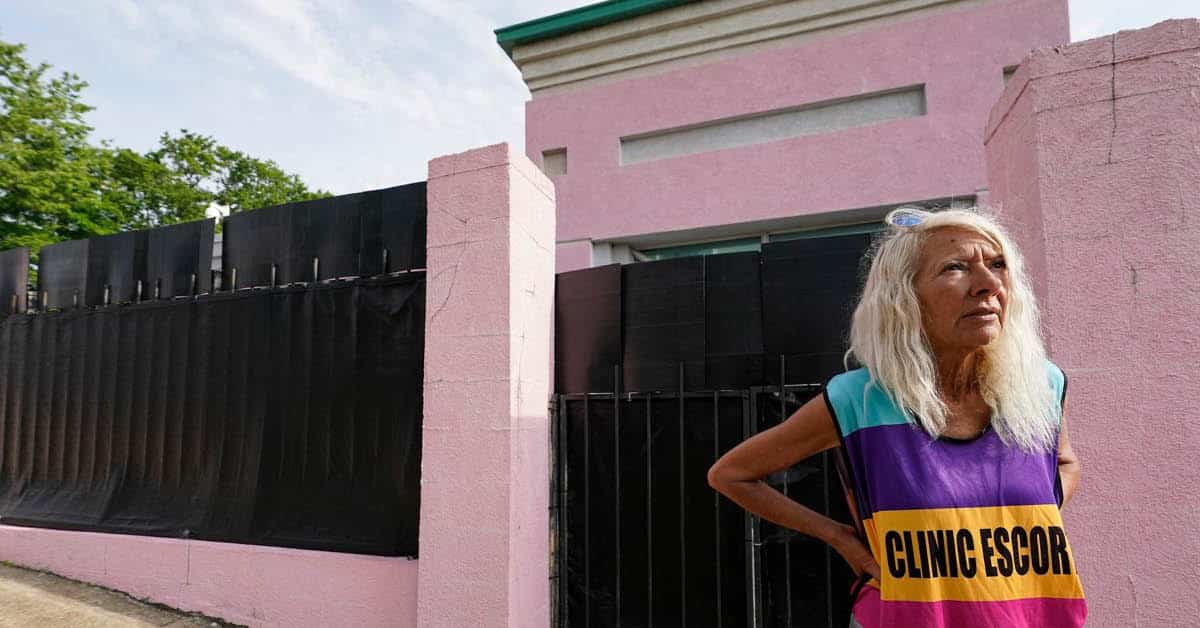
Pollsters have been quick to measure public opinion in the aftermath of the Dobbs decision invalidating Roe v. Wade. We recently reported on our own survey commissioned by the ACLU that measured attitudes of MS voters—where the litigation began. We found that even in the Buckle of the Bible Belt, a majority of voters oppose the recent SCOTUS decision.
Polling shows 83% of Mississippi voters oppose criminal investigations or charges against women suspected of having an abortion.
Last week, we polled Republican voters in Florida to gather insights about the 2024 Presidential election. We found that even with a strong embrace of Trump’s Big Lie, fealty to the former President did not automatically follow.
Democratic political practitioners know the power of the Big Lie. We’ve seen hard evidence in the results of every GOP primary this midterm cycle. Our survey of Georgia Republicans released earlier this week reminds us of the challenges that progressives face in November and begs the question: Why do so many voters embrace this Electoral Fraud fantasy, given the mountain of evidence to the contrary.
From June 22-24, we asked Republicans in Georgia about their view of former President Trump, claims about election fraud, and harassment of local election officials.
In a hypothetical rematch, former President Donald Trump leads President Joe Biden 44%-38% — the six-point difference matching the 2020 outcome. These results are better for Biden than in all the swing state polling we did earlier in the year. Biden leads Trump 48%-31% among Hispanic voters, while Trump leads 52%-33% among white voters. These figures may underrepresent Biden’s support at this time.
Texas voters overwhelmingly support tighter gun purchase statutes. Last week, we asked Texans about state gun purchase laws and recorded a 62% majority in favor of more restrictive gun purchase laws—putting the masses in this traditionally gun-loving state as slightly more pro-gun control than the nation as a whole.
The Republican Primary for Senate in Ohio is still anyone’s race with a week remaining, with no candidate above 20% and a third of voters still undecided. Our survey completed over the weekend shows State Senator Matt Dolan leading the pack with 18%, followed closely by J.D. Vance at 17%.
The President is currently down by double digits in Georgia, a state he won in 2020. The COVID hangover, inflation in general, and fuel prices seem to be taking their toll. As we have seen in other states, a large contingent of voters (almost one in seven) are either undecided or expressing support for an unnamed third-party candidate—a tell-tale sign of dissatisfaction with likely options in the 2024 contest.
With just eight months before the midterms, President Biden’s lead in a hypothetical rematch against Donald Trump is 5.2%, a four percent margin over the final 2020 tally. Still, almost one in nine voters are either undecided or expressing support for an unnamed third party candidate—a nagging reminder about the lack of satisfaction with likely options in the 2024 contest.
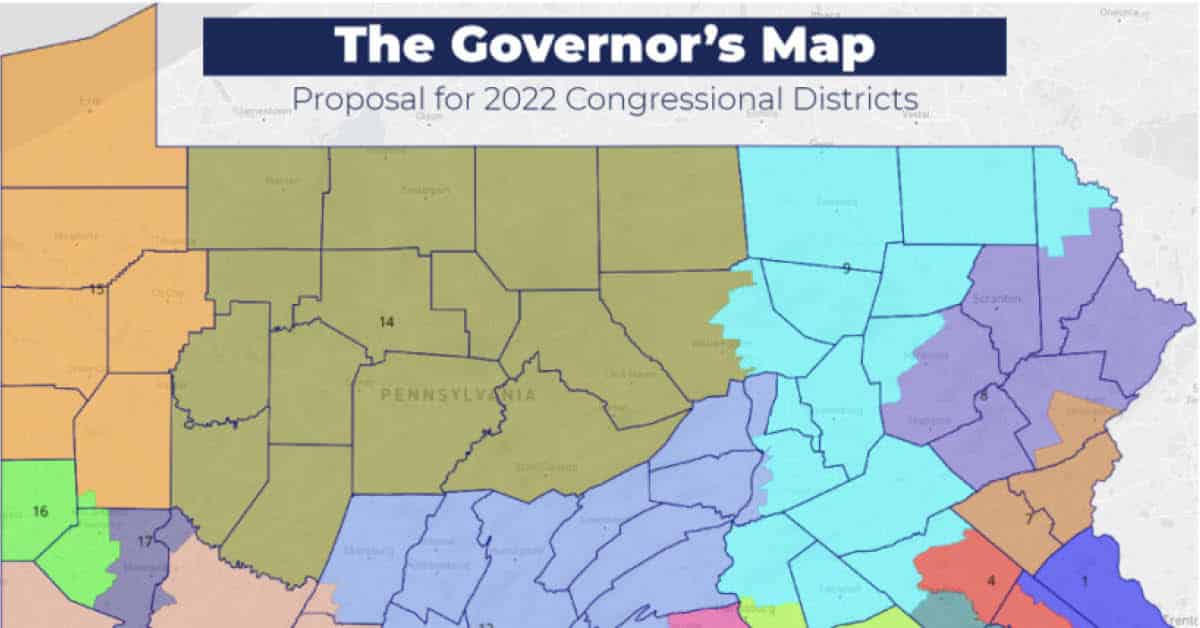
This year, Democrats have won a string of victories in the redistricting sphere. While there’s still a good deal of uncertainty in states like Pennsylvania and Florida, Cook Political’s Dave Wasserman says that Democrats “have taken the lead” on the organization’s 2022 redistricting scorecard and are now “on track to net 2-3 seats from new maps vs. old ones.”
The conventional wisdom about this year’s midterms is that Democrats will lose about 20 seats in the House and the GOP takes control of the Senate. History confirms that the party in the White House almost always loses seats in the midterms.
If you began your holiday weekend early, you may have missed some very useful information released by the Pew Research Center on digital technologies in 2021. Here’s our quick take on their most interesting findings.
Maricopa County (Phoenix and its surrounding suburbs) accounts for roughly three-fifths of Arizona’s voters. After supporting Republicans in every election between 1952 and 2016, the county opted for Kyrsten Sinema for the US Senate seat in 2018 (in spite of a 6% win for the GOP governor) and in 2020 went for Mark Kelly for Senate and Joe Biden for President.
We’ve read dozens of insightful year-in-reviews of the American political landscape and offer this summary: the American electorate is universally grumpy.
Our Chief of Business Development, Kathryn York, offers insights from her unique perspective as parent, elected official and political consultant on the current climate between parents and school board members.
Phonebanks are seldom referenced in news stories about campaign messaging and tactics. When done right, phonebanks can be downright boring—there is no thrill in the third or fourth call to a committed supporter who has yet to fulfill a promise to vote, reminding them of the last conversation about mail ballots and nudging them once more to do the right thing.
We’ve conducted three surveys in Red States over the summer, measuring voter opinions on public policy options to address the Covid 19 Delta Variant. Our most recent work for Millsaps College was in Mississippi – the state with the third highest death rate from COVID and currently leading the world in new COVID cases per capita.
A majority of Mississippi voters—over 63%—want the legislature to enact a medical marijuana law that mirrors the one passed by voters last November but was nullified by the State Supreme Court’s recent ruling regarding flaws with the state’s ballot initiative process, according to the latest State of the State Survey conducted by Millsaps College and Chism Strategies.
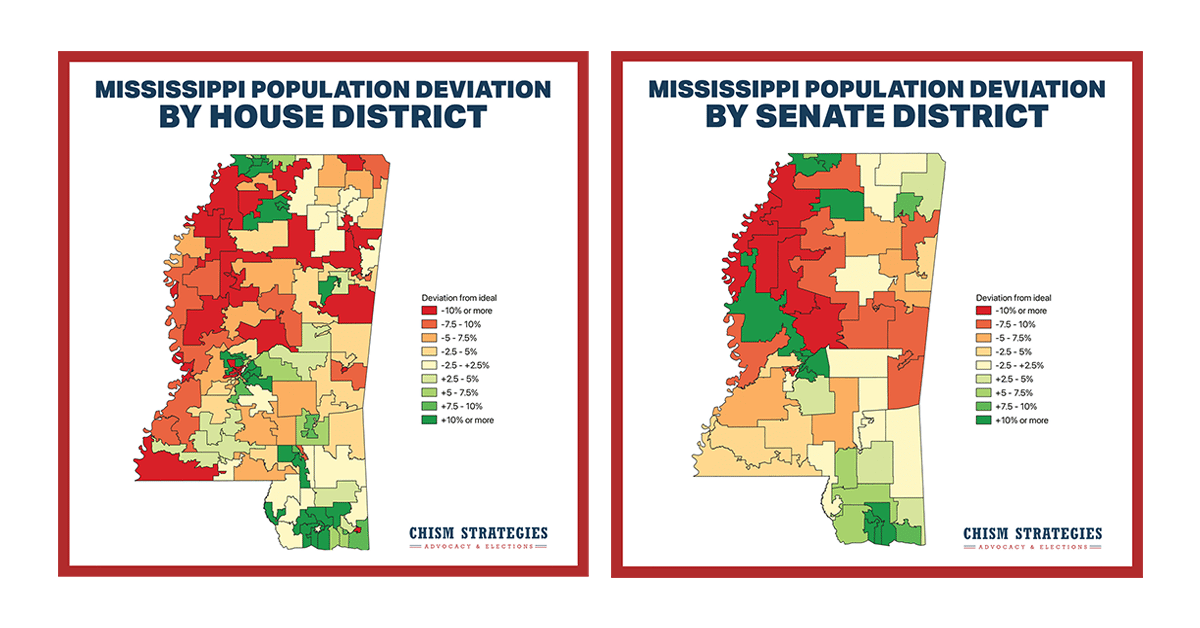
The U.S. Census Bureau released detailed information on Mississippi. Our Chism Strategies Director of Voter Targeting, Brannon Miller, did a quick analysis on the implications toward redistricting. We will keep pouring over the numbers, but we wanted you to have this now.
In late May, the EEOC updated rules about requiring vaccines to return to work. While employers can require in-person workers (but not remote workers) to get vaccinated, there are limits. Among other things, businesses must make accommodations for the ADA and can’t make one’s vaccine status public information.
In late April, House Democrats proposed new restrictions on gun purchase and ownership to address gun violence. Political practitioners would benefit from the reminders in the recent Pew Research.(May 2021). While 72% of Americans believe that gun violence is a big issue, we are far from consensus on how to fix it.
Today our firm surveyed likely Mississippi voters to gauge public opinion on the recent decision by the Mississippi Supreme Court to invalidate Initiative 65. Our sample of 905 has a margin of error of +/- 3.26%. We used IVR surveys to reach landlines (44% of sample) and SMS technology for voters using mobile phones (56% of sample.) We weighted results for age, race and gender based on likely 2022 general election turnout.
Since the last mayoral election, the city of Atlanta has seen dramatic growth in voter registration and some change in the demographic and partisan composition of the city’s electorate. These changes can be attributed to a polarizing Trump presidency, Stacey Abrams’ 2018 campaign, her New Georgia Project and the ground games of America Votes & c3 organizations in the leadup to the 2020 elections.
The findings of the newly released Millsaps College/Chism Strategies State of the State Survey illustrate the challenges that lie ahead for state leaders, public health officials and leaders in the medical profession who are attempting to combat the coronavirus, slow its spread and convince Magnolia Staters that they should take the virus—and the vaccine—as seriously as possible.
Many Mississippians have reconsidered their plans regarding whether they intend to receive the COVID-19 vaccination, as 63% of voters say they will definitely or probably get vaccinated while another 13% report already being vaccinated. Of the remaining voters surveyed in the latest Millsaps College/Chism Strategies State of the State survey, 20% report they probably or definitely will not get vaccinated and 5% are unsure at this time.
In the final tally, Espy received 44.1% of the vote statewide, compared to 41.1% for Biden. Espy received over 578,000 votes, the highest number ever received by a Democrat in a federal election in Mississippi’s history.
. The last time turnout reached that level was in 1900, “when 73.7% of eligible Americans cast ballots”—and back then, the pool of eligible voters was significantly smaller than it is now, as women and many minority groups were not allowed to vote. 42 states + D.C. broke their 40-year turnout records. The last time turnout was anywhere near this 2020 election, it was 1960, when 63.8% of eligible voters cast ballots.
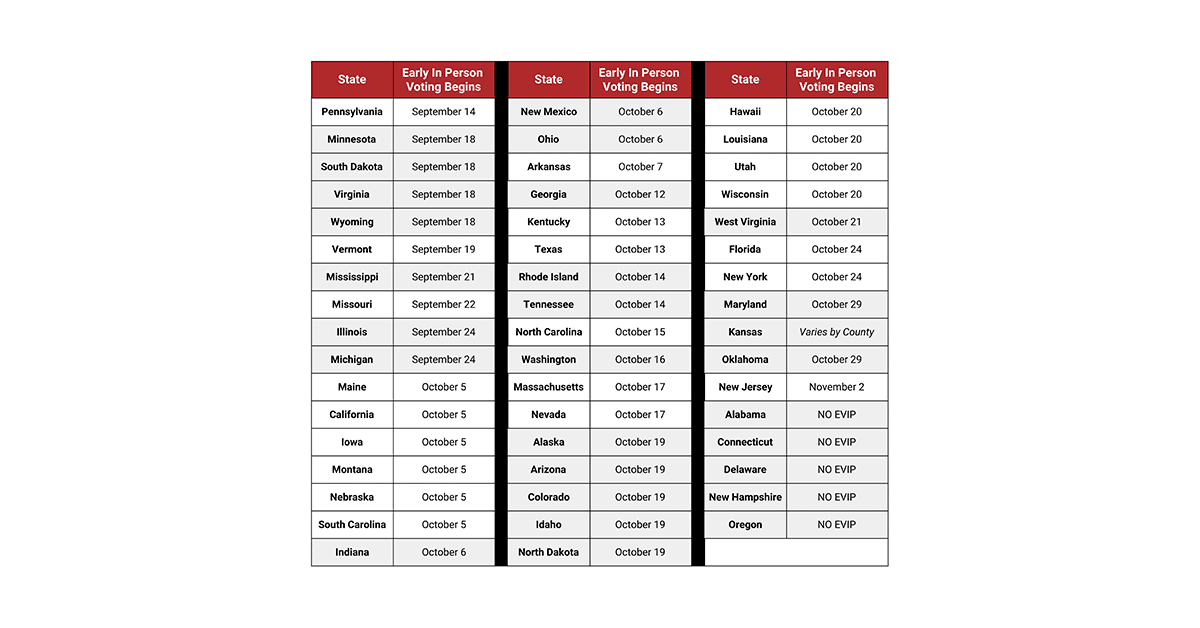
Today marks the first day of early in-person voting in the 2020 General Election. Pennsylvania, with it’s highly contested 20 electoral votes, is first out of the gate.
Less than three years ago, Brad Chism wrote a memo to Mississippi Democratic political leaders about the Path to a New State Flag, warning that “we are not there yet and a referendum in 2018 is very likely to fail.”
A study published in the most recent Public Opinion Quarterly confirms what most of us suspect—that when one’s candidate wins, he or she has more faith in the electoral process than after a loss.